




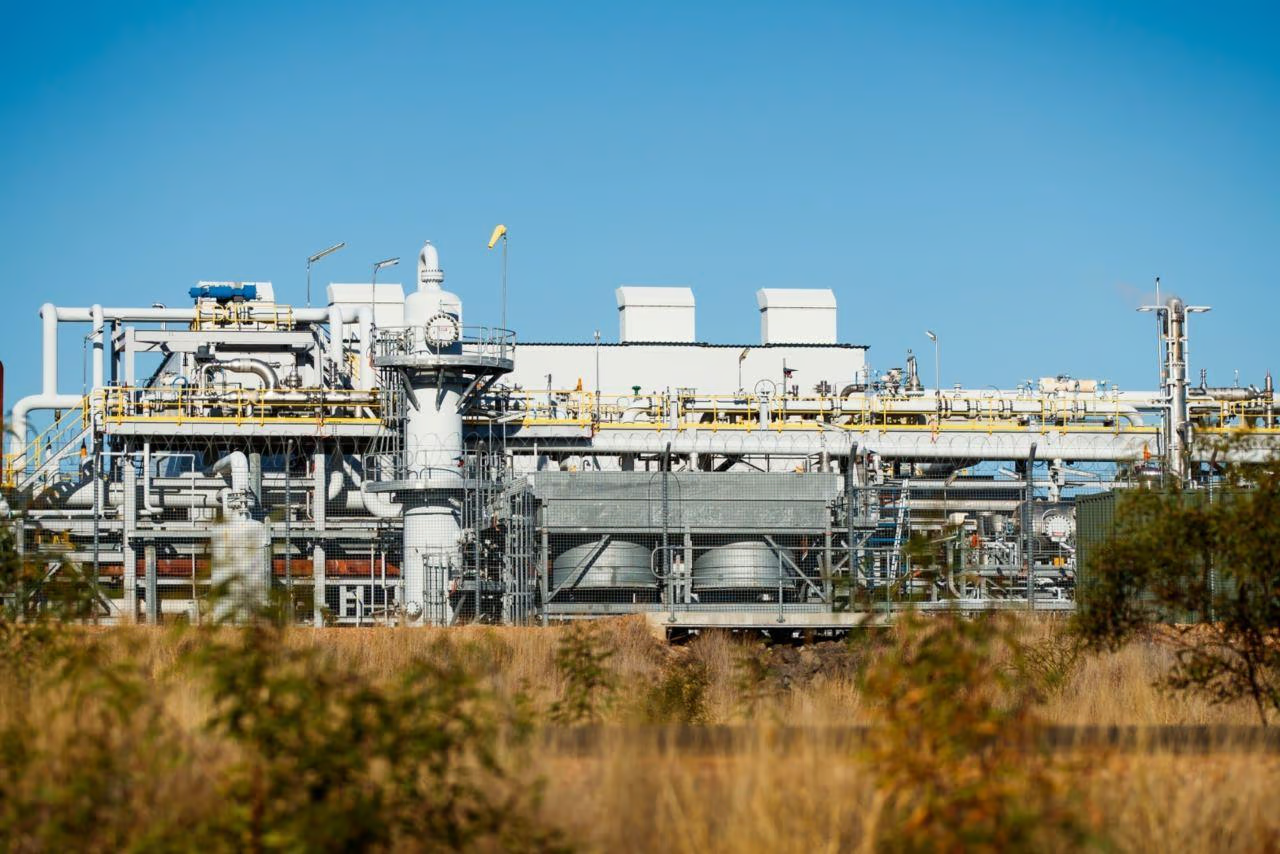
Pressure Mounts on Australia to Pass Domestic Gas Reservation Bill
Pressure is growing on Australian federal politicians to pass legislation aimed at increasing domestic gas supplies and lowering energy costs. However, concerns remain that the proposed changes could affect future investment and gas availability.
A broad alliance of unions, manufacturers, energy organisations and businesses is urging Canberra to pass the Domestic Gas Reservation Bill 2026 before parliament rises for the year.
The Labor government’s proposal would require gas exporters to reserve up to 20 per cent of their production for the Australian market. Supporters believe the measure could increase local supply and help bring down prices.
Unions and manufacturers unite behind gas reservation plan
The coalition backing the legislation includes the Australian Manufacturing Workers’ Union, Australian Industry Group, Manufacturing Australia and the Energy Users Association of Australia.
In an open letter, the organisations described their support as an unusual show of unity. They said they rarely speak with one voice but were united in calling for the Senate to pass the bill while retaining its key provisions.
The group argued that Australia is among the world’s largest gas exporters but lacks a national system to ensure domestic consumers and industries receive priority access to supplies.
The alliance also stressed that the proposed reform should be treated as a national interest issue rather than a policy belonging to one political party.
Labor needs support from the Greens or Coalition
Industry Minister Tim Ayres said Australian gas prices had been influenced by international markets rather than the country’s domestic economic interests.
He pointed to manufacturing businesses that had closed or moved operations overseas, arguing that high gas costs had contributed to the pressure on local industry.
However, the Albanese government needs support from either the Greens or the Coalition to secure the legislation’s passage through parliament.
The opposition has indicated that it supports a domestic gas reservation scheme in principle. However, disagreements over whether Western Australia should be included remain a major obstacle.
Western Australia exemption remains a sticking point
Opposition Leader Angus Taylor argued that the gas supply problem was primarily an east coast issue. He said Western Australia should not be included because it operates a separate domestic gas market.
Taylor also questioned the government’s approach to the proposed reservation system. He suggested that the policy could result in an oversupply of gas and raised concerns about the position of some Labor MPs towards the gas industry.
His comments highlight a central disagreement in negotiations: whether the national scheme should apply uniformly or recognise the different arrangements in Western Australia.
Greens demand a 25 per cent gas export tax
The Greens are continuing negotiations with Labor but have reiterated their demand for a minimum 25 per cent tax on gas exports.
Greens deputy leader and resources spokesperson Steph Hodgins-May said the proposed reservation bill offered no guarantee that domestic gas prices would fall.
She also criticised the possibility of Labor reaching an agreement with the Coalition, arguing that the proposed arrangement could favour major gas companies rather than deliver meaningful benefits to consumers.
The Greens’ position adds another challenge for the government as it seeks to secure enough Senate support before the end of the parliamentary year.
Business groups warn against weakening gas investment
The Business Council of Australia supports the reservation scheme in principle but says its final design must protect investment in future gas supply.
Chief executive Bran Black warned against an agreement between Labor and the Greens that could create uncertainty for producers. He urged the government and Coalition to negotiate a compromise acceptable to both manufacturers and gas suppliers.
His comments reflect the wider debate surrounding the bill. While industrial users want more reliable and affordable domestic supplies, producers and business groups are concerned that poorly designed rules could discourage investment.
With unions, manufacturers and energy users pressing for action, parliament faces competing demands over how Australia’s gas resources should be managed. The outcome of negotiations will determine whether the proposed reservation system can secure enough support to pass before parliament rises for the year.


 English
 Dutch
 Arabic
 Chinese
 German
 Estonian
 Portuguese
 Spanish
 Japanese