



Three-Quarters of Australian Renters Reportedly in Deep Rental Distress
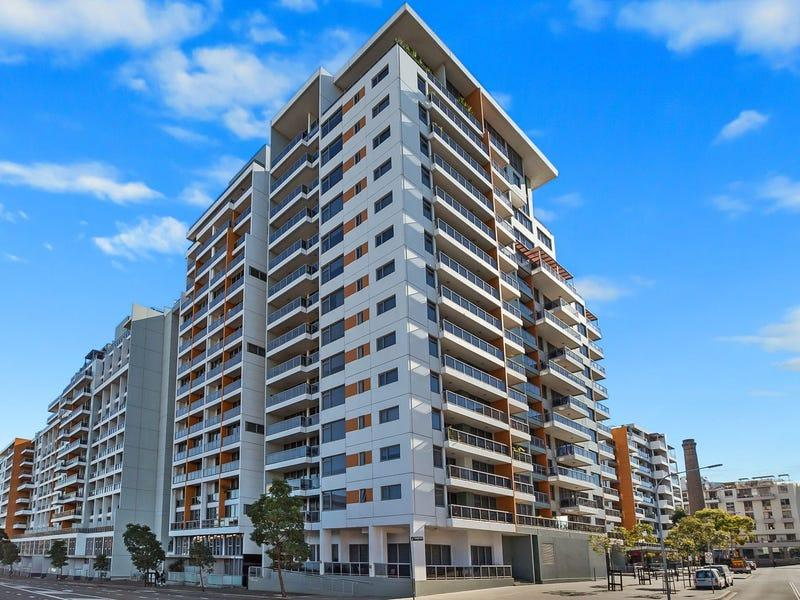
Australian renters and lower-income households are facing mounting financial pressure as housing costs and inflation continue to squeeze household budgets. Reserve Bank Governor Michele Bullock has warned that these groups are bearing much of the cost-of-living burden. Meanwhile, new figures cited by Fortlake Asset Management founder Dr Christian Baylis suggest that 75 per cent of renters are experiencing deep rental distress. Speaking on Sunrise on Wednesday, Baylis said renters were spending a substantial share of their income on housing. “Seventy-five per cent of renters are currently in deep rental distress,” he said. “About 30 per cent of their income is spent on rent and we have about 30 per cent of households are currently renting.” Baylis said Australia’s renting population was growing. He also pointed to rental inflation running well above the overall inflation rate. As a result, renters are facing pressure from several directions at once. “They are getting it from every angle at the moment. It’s very tough out there for them,” he said. He also warned that investors leaving the property market could place further pressure on rental prices. “It doesn’t seem like there’s any end in sight,” he said.
Mortgage holders face pressure from higher interest rates
Renters are not the only households struggling with rising costs. Mortgage holders are also dealing with the impact of higher interest rates. The Reserve Bank has delivered five rate increases in 2026, adding to repayments for borrowers. However, headline inflation has risen again in the latest quarterly figures. Baylis questioned whether higher rates were delivering the intended results. He argued that government spending and investment by artificial intelligence hyperscalers were adding to competition for resources across the economy. According to Baylis, large technology companies can continue investing despite higher borrowing costs. “They are ultimately crowding out the market, and they’re driving interest rates up, meaning that they are price insensitive or interest rate insensitive,” he said. “They will keep spending irrespective of the level of interest rates.” Baylis said government borrowing also competes with private businesses for available resources. He argued that this creates additional pressure on households with mortgages. “The RBA can only basically temper the demand of the private sector, meaning that they’ve got to go after the private sector,” he said. “That in turn means they’re going after mortgage holders.” He described the situation as an unfair cycle for borrowers exposed to interest rate changes.
Unemployment could rise further, economist warns
Baylis also warned that Australia’s unemployment rate could increase as higher interest rates weigh on businesses and consumers. The unemployment rate stood at 4.7 per cent ahead of the latest labour market figures, which were due for release on Thursday. He said the Reserve Bank’s own assessment pointed towards unemployment moving closer to 5.1 per cent. “I think definitely the trend is for higher unemployment,” he said. Baylis expects businesses in sectors sensitive to borrowing costs to face particular pressure. He identified the property sector as one area that could experience further job losses if interest rates remain high or rise again. “This is just the effect of higher interest rates and the interest-sensitive sectors, like the property sector, will ultimately start to see further job losses unfortunately as interest rates remain high and potentially go higher,” he said. His warning highlights the wider economic consequences of tighter monetary policy. While higher rates aim to contain inflation, they can also increase mortgage repayments, raise business costs and put employment under pressure.

 English
 Dutch
 Arabic
 Chinese
 German
 Estonian
 Portuguese
 Spanish
 Japanese